
From Scratch to Savory: Why Homemade Tofu Is Better
- Sana Bhatia

- May 21, 2025
- 2 min read
Updated: Jun 18, 2025

Discover why making tofu at home offers unmatched freshness, clean nutrition, and a deeper connection to your food.
While grocery aisles brim with neatly packaged tofu blocks, few realize that homemade tofu isn’t just possible; it’s transformative. Pure, customizable, and deeply satisfying, crafting tofu from scratch gives you more than a protein source. It gives you control.
Making tofu at home isn’t just a culinary DIY, it’s an act of mindful nourishment. It allows you to return to the basics of food: intention, quality, and transformation.
Why Homemade Tofu Outshines Store-Bought
Commercial tofu often includes preservatives, stabilizers, and goes through long-distance refrigeration that impacts texture, taste, and nutrition. Homemade tofu, on the other hand:
Contains no additives
Comes with zero plastic waste
Offers unparalleled freshness
Lets you choose your preferred texture, from silky-soft to extra-firm
With just two ingredients, soybeans and water - you create a clean, nourishing staple that tastes far better than anything in a box.
The Nutritional Brilliance of Tofu
Complete plant protein with all essential amino acids
Rich in calcium, iron, and magnesium
Cholesterol-free, low in saturated fat
Gut-friendly when consumed fresh or paired with fermented foods
Ideal for those who are vegan, gluten-free, or looking to reduce allergens
Few foods strike this balance between being nutritionally dense and extremely versatile, making tofu a standout for any diet.
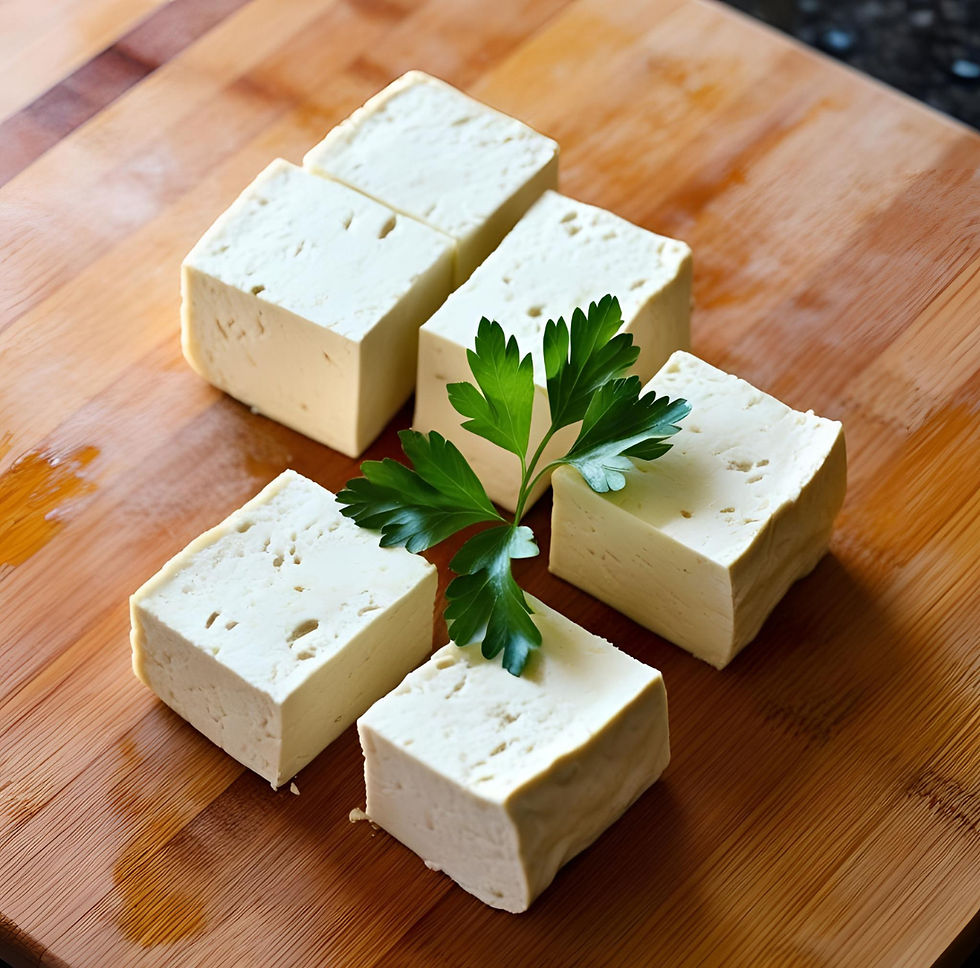
How to Make Tofu at Home: A Simple, Elegant Process
Ingredients:
1 cup dried soybeans
6–7 cups water (for blending and cooking)
2 tsp coagulant (lemon juice, vinegar, or food-grade gypsum/calcium sulfate)
Steps:
Soak soybeans overnight until they double in size.
Blend with water until smooth.
Strain through muslin or a nut milk bag, reserve the okara (pulp) for other recipes.
Boil the soy milk for 5–10 minutes, stirring occasionally.
Cool slightly, then gently stir in the coagulant.
Let it rest for 15–20 minutes to curdle.
Transfer curds to a tofu press or cloth-lined container.
Press gently for 20–30 minutes.
Unmold, rinse, and store in water in the fridge.
Voilà! Fresh, additive-free tofu, ready to be sautéed, scrambled, steamed, or sliced into your favorite dishes.
A Return to Food Integrity
Homemade tofu is more than just a block of protein; it’s a return to food made with care. In a world where convenience often compromises quality, this humble process becomes an act of resistance. A statement. A skill.
It’s about choosing food that nourishes your body and your values.
When you make your own tofu, you don’t just eat—you create, connect, and reclaim what good food truly means.
So go ahead, press, taste, and savor the difference. Your body (and your taste buds) will thank you.


Comments